

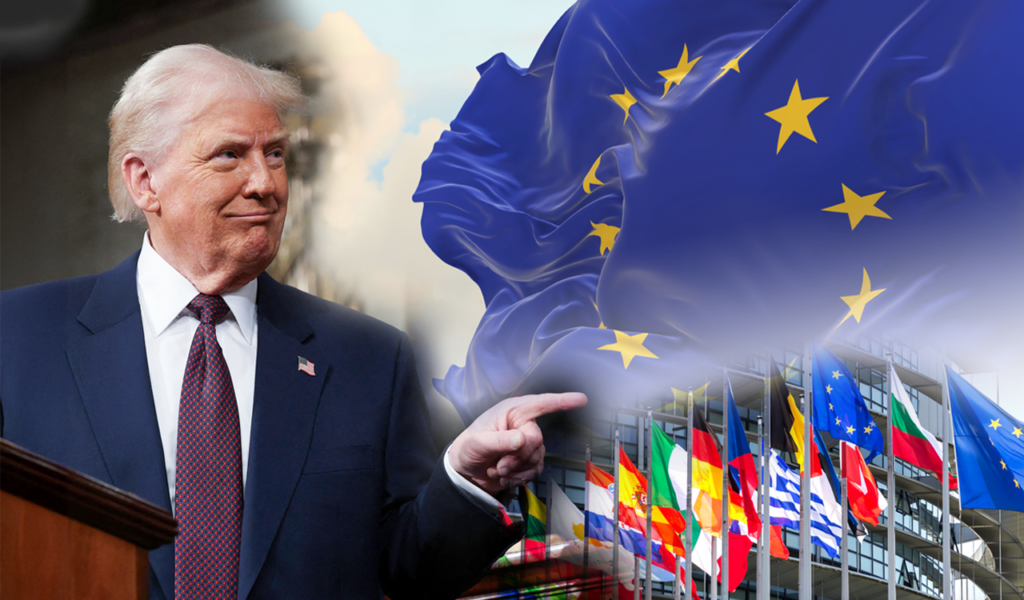
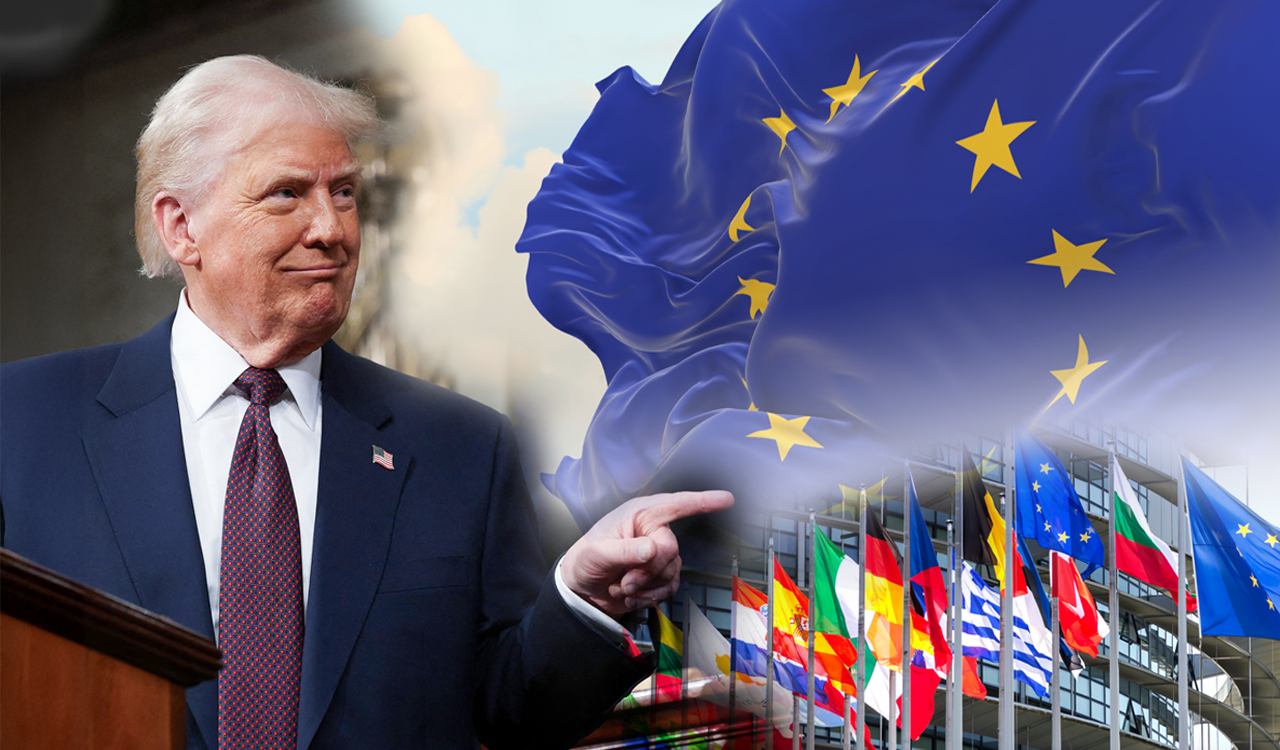
Trade tensions between Europe and the United States have resurfaced after European Union countries threatened to impose broad tariffs on American products, a move that could represent a serious escalation in economic relations between the two sides. This threat comes amid growing disagreements over trade policies, government subsidies for industries, and import restrictions, raising fears of a new trade war that could impact the global economy.
Background to the Trade Crisis
The current dispute stems from a series of US decisions that Europe considers detrimental to its economic interests, particularly those related to imposing tariffs on some European products or providing substantial government support to American industries, giving them a competitive advantage in global markets. Brussels believes these policies violate the rules of fair trade established by the World Trade Organization.
In contrast, Washington maintains that its measures are aimed at protecting domestic industries and enhancing economic security, noting that some European countries pursue similar policies in supporting their national companies.
Potential Tariff Size
According to European officials, the tariffs the European Union is considering imposing could exceed hundreds of billions of dollars and cover strategic sectors such as:
Automobiles and spare parts
Technology and electronics
Agricultural and food products
Aircraft and industrial equipment
This approach reflects Europe’s desire to send a strong message to the United States that any unilateral actions will be met with a similar response.
Impact on the Global Economy
Economists fear that an escalation of the trade dispute could slow global growth, especially at a time when the international economy is already facing numerous challenges, such as high inflation, volatile energy prices, and supply chain disruptions.
Imposing reciprocal tariffs could lead to:
Higher prices for consumers
A decline in trade between the two sides
A reduction in the profits of multinational corporations
Sharp fluctuations in financial markets
Analysts believe that consumers will be the most affected, as increased tariffs will be directly reflected in prices.
The European Union’s Position
The European Commission affirmed its preference for diplomatic and negotiated solutions, but emphasized that it would not hesitate to utilize its trade tools to defend the interests of EU member states. It added that Europe is not seeking confrontation, but rather a fair balance in trade relations.
Brussels also stressed the importance of adhering to international law, urging the United States to return to the negotiating table to find common ground.
The Expected US Response
For its part, Washington has not yet issued a definitive official response. However, sources close to the US administration indicated that any European move to impose additional tariffs would be met with countermeasures, increasing the likelihood of escalation.
Observers believe that the United States might use trade as leverage in broader negotiations encompassing other issues such as energy, technology, and defense.
Implications for Companies and Markets
Transatlantic companies are closely monitoring developments, as many rely on supply chains shared between Europe and the United States. Any disruption to these chains could lead to increased costs and reduced production.
Some stock markets experienced fluctuations following the European statements, indicating investor sensitivity to any signs of trade tension.
Are we facing a new trade war?
Despite the harsh rhetoric, some experts believe that both sides may ultimately resort to a negotiated settlement to avoid a full-blown trade war. The American and European economies are deeply intertwined, and any prolonged conflict would inflict significant losses on both.
However, the continued exchange of threats without tangible progress in negotiations could push the crisis to even more complex levels.
Europe’s threat to impose tariffs on the United States reflects a sensitive stage in economic relations between the two sides. While the opportunity for a solution through dialogue remains, the world is watching with concern developments that could revive the specter of trade wars and cast a shadow over the global economy.
The coming days will be crucial in determining whether the two sides will move towards de-escalation and understanding, or towards open economic confrontation.




Leave a Reply