

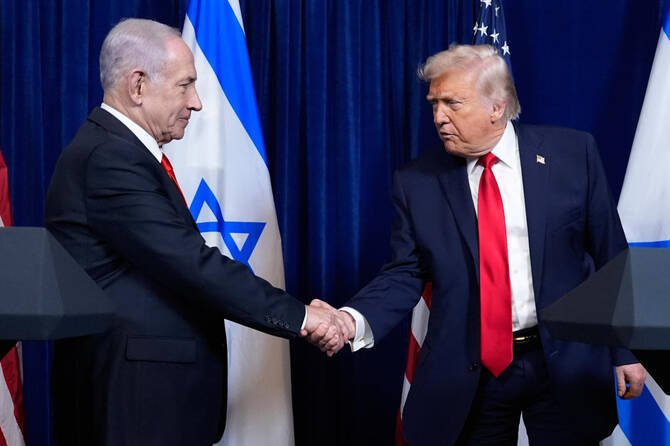
Trump-Netanyahu Meeting in Washington: Iran Tops the Agenda and Expected Shifts in the Middle East
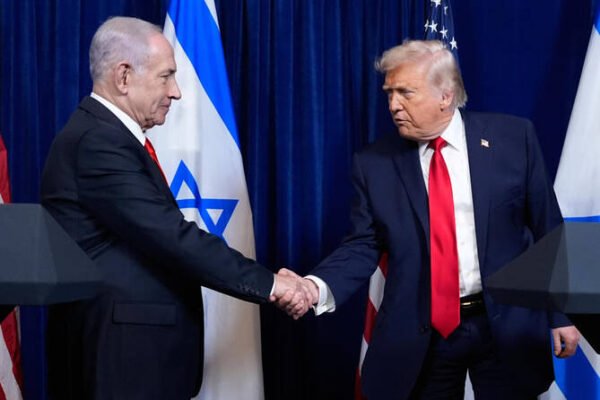
At a delicate political juncture, where security considerations intersect with regional balances, Washington hosted a significant meeting between US President Donald Trump and Israeli Prime Minister Benjamin Netanyahu, with the Iranian issue clearly topping the agenda. This meeting comes at a time of escalating tensions related to the Iranian nuclear program and increasingly complex indirect negotiations between Tehran and the West, making the meeting a pivotal moment in shaping the next phase in the Middle East.
The Iranian Nuclear File Takes Priority
It was no secret that Iran would be the central focus of the White House talks. The US administration considers preventing Tehran from developing military nuclear capabilities a top strategic priority, while Israel believes that any agreement lacking strict restrictions and rigorous monitoring mechanisms will be insufficient to guarantee its national security.
Political assessments indicate that Washington seeks to keep the door open for diplomacy while simultaneously maintaining economic pressure and sanctions. Tel Aviv, for its part, is pushing for a more hardline stance, warning that time is running out to prevent Iran from reaching the “nuclear threshold.” This difference in approach does not negate the shared objective, but rather reflects a difference in the means of implementation.
Multiple-Directional Political Messages
The meeting also carries political messages directed at several parties. First, to Iran itself, underscoring the close coordination between Washington and Tel Aviv regarding any future developments. Second, to the countries of the region, especially those with security or normalization ties to Israel, which are closely monitoring the trajectory of US-Iranian relations.
Read more: Trump-Netanyahu Meeting in Washington: Iran Tops the Agenda and Expected Shifts in the Middle EastThe meeting also sends a domestic message in the United States, where Trump seeks to project a firm stance on foreign policy, particularly amidst internal political tensions. Managing the Iranian issue has always been a significant political issue in American election campaigns, for both Republicans and Democrats.
Scenarios on the Table
According to observers, the two sides discussed several possible scenarios for dealing with Iran in the coming period. The first scenario involves the success of a revised negotiating track that ensures stricter restrictions on uranium enrichment and strengthens international oversight. The second scenario entails escalating economic and political pressure if the talks fail, including imposing additional sanctions.
The most sensitive scenario remains the military option, which is often presented as a last resort. Although resorting to it seems unlikely in the near term, its presence in discussions reflects the level of concern over the accelerating Iranian nuclear program. Israel has consistently affirmed its right to act unilaterally if it perceives its security to be directly threatened, which underscores the importance of prior coordination with Washington.
The Broader Regional Dimension
The Iranian issue is inseparable from the broader regional context. Tensions in several Middle Eastern arenas are linked, in one way or another, to the Iranian-Israeli rivalry, whether through allied parties or complex security issues. Therefore, any understanding or escalation between Washington and Tehran will have direct repercussions on the stability of the region.
The meeting between Trump and Netanyahu also addressed ways to enhance security cooperation, including missile defense systems and intelligence coordination. This reflects the two sides’ understanding that security challenges are no longer traditional, but now include cyber threats, drones, and asymmetric tactics.
Economy and Sanctions as Tools of Pressure
Economic sanctions are among the most prominent tools of American pressure on Iran. The two leaders discussed the effectiveness of these sanctions in bringing Tehran to the negotiating table on more stringent terms. However, some experts raise questions about the impact of long-term sanctions on the Iranian people more than on decision-makers, posing a humanitarian and political dilemma.
Israel, for its part, believes that tightening sanctions, coupled with a credible threat of force, could constitute an effective deterrent. Meanwhile, Washington is trying to strike a balance between pressure and maintaining a viable diplomatic track.
Potential Implications for International Relations
The meeting’s impact extends beyond bilateral relations between the United States and Israel to the broader network of international relations. European countries, as well as Russia and China, are closely monitoring any American-Israeli moves regarding the Iranian issue, given their overlapping economic and political interests in the region.
Any significant escalation would impact global energy markets, especially if tensions extend to supply lines or shipping lanes in vital waterways. Therefore, any decisions resulting from this meeting will have implications that extend beyond the regional context.
A Pivotal Stage in US-Israeli Relations
The Washington meeting reflects the continued deep strategic partnership between the United States and Israel, but it also highlights the sensitivity of the current phase. Dealing with Iran requires a high degree of coordination and a clear understanding of the potential consequences of each option.
Ultimately, the Trump-Netanyahu meeting appears to be a step in a longer process of consultations and strategic assessments. While the door remains open to diplomatic solutions, the language of firmness and deterrence continues to be strongly present in the political discourse of both sides. The coming days will reveal whether this meeting will pave the way for new understandings that reduce tensions, or whether it will establish a more complex phase in one of the most sensitive issues on the international stage.





Leave a Reply