

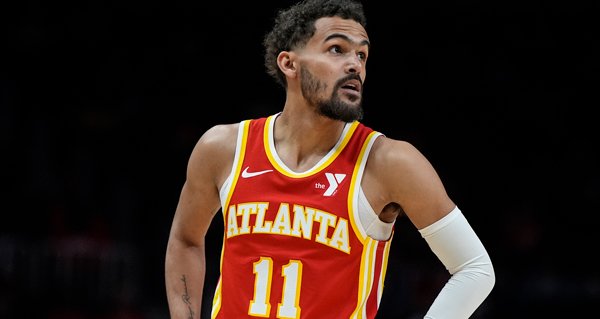
In a league driven as much by numbers off the court as performance on it, the NBA’s new second apron financial rules are reshaping how teams value star players — and in some cases, drastically diminishing the market worth of even elite talents like Atlanta Hawks guard Trae Young.
Once considered one of the league’s most valuable building blocks, Young’s situation highlights a dramatic shift in how modern NBA franchises balance star power with financial flexibility.
What Is the Second Apron?
Under the NBA’s latest Collective Bargaining Agreement, the league established a series of payroll thresholds above the salary cap designed to promote competitive balance while discouraging teams from overspending.
- Salary Cap – The base spending limit for all teams.
- Luxury Tax Threshold – Teams that go above this pay penalties.
- First Apron – A tougher set of restrictions on trades and signings.
- Second Apron – The strictest level, essentially acting like a hard cap with major roster construction penalties.
Teams that exceed the second apron face severe limitations: they cannot sign free agents on market-friendly deals, can’t use a wide range of exceptions, can’t aggregate salaries to facilitate trades, can’t include cash in trade deals, and risk losing draft flexibility — such as draft picks being frozen or pushed to the end of the first round if the team stays above the apron multiple seasons.
How This Affects Player Value
In practical terms, the second apron has forced teams to reconsider long, expensive commitments. Even stars with outstanding resumes — including All-Star selections and franchise leadership roles — are being evaluated through the lens of financial mobility rather than just basketball impact.
Trae Young provides a prime example.
Trae Young: From Franchise Cornerstone to Trade Puzzle
A few years ago, Trae Young was virtually untouchable. After leading the Hawks to a surprising Eastern Conference Finals appearance in 2021, Young earned multiple All-Star selections and a place on All-NBA teams.
In 2021, Atlanta committed to him with a long-term, maximum contract extension worth over $215 million — a sign of confidence in his abilities and leadership.
But in the new second-apron era, that contract has become a liability. Teams worried about locking themselves into cap restrictions are now reluctant to offer similar max deals, even for proven stars. The Hawks themselves hesitated to extend Young recently, partly because the severe salary limitations could trap them financially.
Trade Conversations and Market Realities
As the February trade deadline approaches, rumors have swirled that the Hawks and Young are engaged in talks about a potential trade. Reports suggest that the Washington Wizards have emerged as a possible trade destination, with multiple executives highlighting the tricky cap math required to make any deal work.
In discussions, teams pushing to acquire Young would need to add additional salary and draft assets just to balance Atlanta’s books — a sign of how much second-apron constraints are affecting trade markets.
Because of these financial hurdles, league insiders say Young’s free-agent stock may also be affected: rather than chasing another max deal, he may be best positioned to opt into his existing $49 million player option and reassess the market next season.
Broader NBA Impact
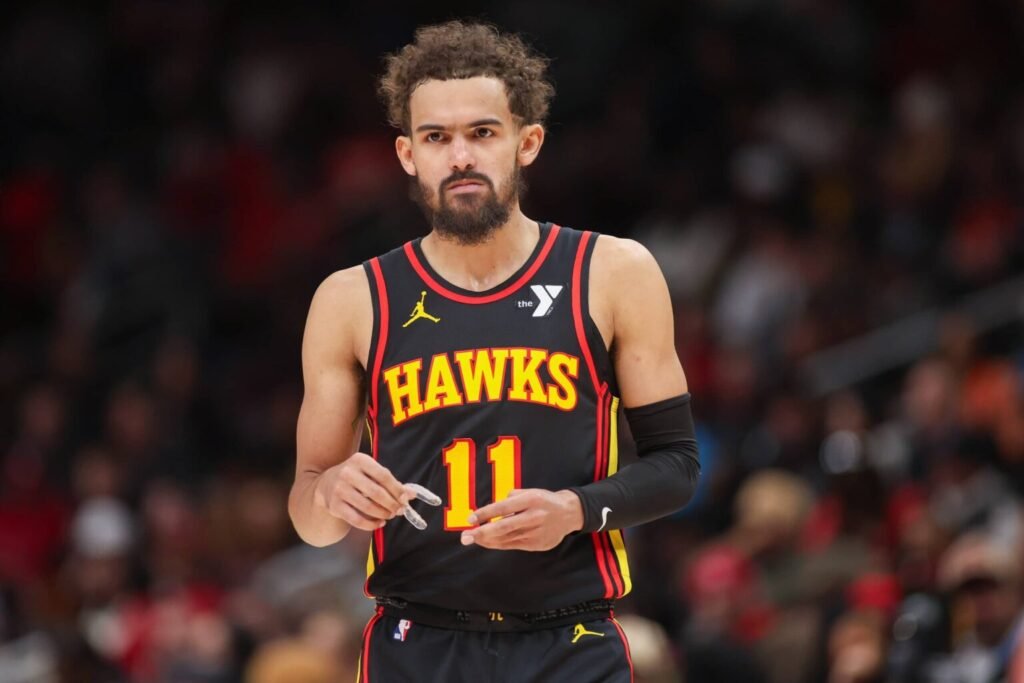
Young is far from alone. Across the league, teams that push payroll above the second apron are losing flexibility that used to define how contenders were built. In past eras, teams could make bold moves at the trade deadline or absorb contracts via exceptions. Now, exceeding the apron puts teams in a strategic bind, often forcing them to build from within or focus on cap-friendly youth rather than marquee free agents.
This systemic change is the NBA’s attempt to reduce the dominance of big-market franchises and encourage more parity across the league. But the trade-off is a new economic reality where even All-Stars must be evaluated not just by their production, but by their contract’s impact on team flexibility.
What’s Next
As the season unfolds, the second-apron era will continue shaping headlines — from trade season drama to free agency noise. For stars like Trae Young, the new NBA financial landscape presents both risk and opportunity: secure a shorter, more flexible deal and maintain value, or risk becoming a costly asset that teams are hesitant to build around.
Either way, the cost of being a star in today’s NBA is no longer defined solely by points, assists, and highlight plays — but by how a player fits into a cap-constrained league.






Leave a Reply